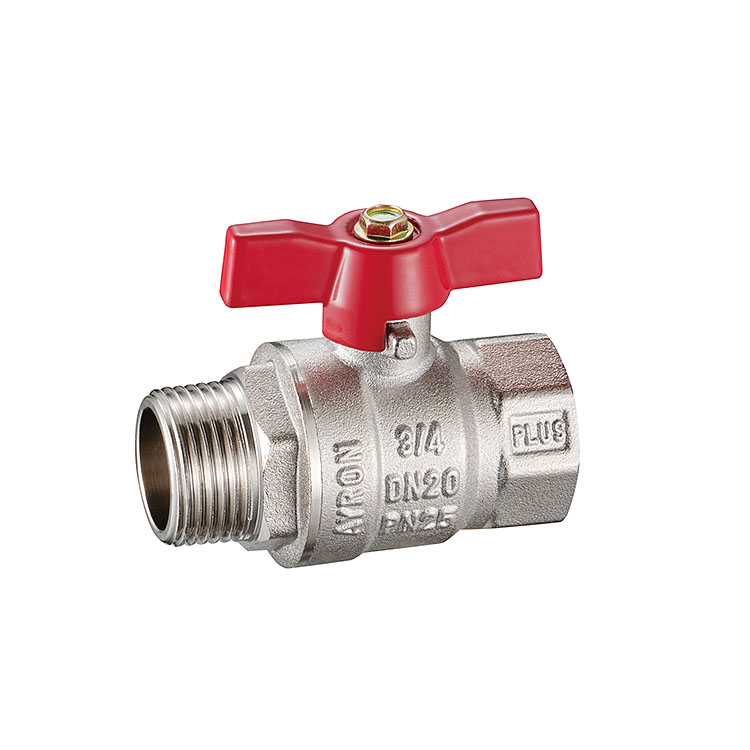
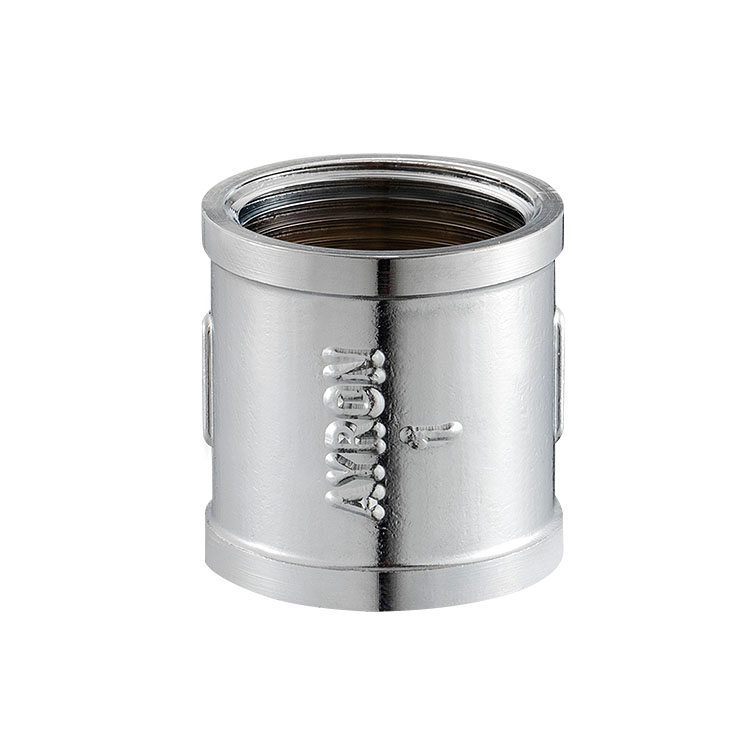
Ball Valves SERIES
Ball Valves
KITZ
Industrial Valves
The use of ball valves is extremely wide, and there is a tendency for demand to increase even further in the future.Electric power industry and natural gas pipelinesPetroleum refining and petrochemical plantsGeneral chemicals, machinery plant equipment and facilitiesBuilding EquipmentIrrigation and pollution preventionWater and sewerage and gas supply for general households Since the flow passage of the ball valve is the same cylindrical shape as that of the pipe, the flow is smooth, and it is a valve with extremely small fluid resistance among various valves. (Full bore type ball valve) The ball valve is suitable for automation because it is fully opened and fully closed with a 90° rotation. We have standardized actuators for both pneumatic type and electric type, and we have made an appropriate and efficient response to the nominal valve diameter, operating conditions, etc. The valve has a plastic sheet on the primary side (inlet) and secondary side (outlet) of the fluid around the ball. When closing, the ball is pushed against the fluid pressure, and the ball acts as a sealing force against the secondary side sheet. (Floating type ball valve) Ball valves are nearly spherical in shape as compared with general sluice valves and ball valves, and their height, weight and compactness compared with those of the same nominal diameter make them also small in stress applied to piping, making them suitable for mounting in limited narrow spaces. For general gate valves and ball valve
Request a Technical Quote
Typical response time: 24 Hours
Technical Specifications
| PROPERTY | DETAILS |
|---|
Compliance & Safety

CE EU Compliant
Standard safety certified

ISO Quality Guaranteed
International standard

ATEX Explosion Proof
High-risk certified